How long until a tooth infection kills you is not something anyone can answer with a fixed number of days. That is the blunt truth. Some dental infections stay localized for a while, while others spread quickly into the jaw, face, neck, bloodstream, or airway. The risk depends on your immune system, the infection location, swelling, bacteria involved, and how long treatment is delayed.
A tooth abscess does not go away on its own, even if the pain suddenly improves after it drains. Mayo Clinic warns that an untreated tooth abscess can cause serious, even life-threatening complications, and dental treatment is still needed even if the abscess ruptures. So the better question is not how long until a tooth infection kills you, but how fast you should get treated before it spreads.
Why Tooth Infections Become Dangerous
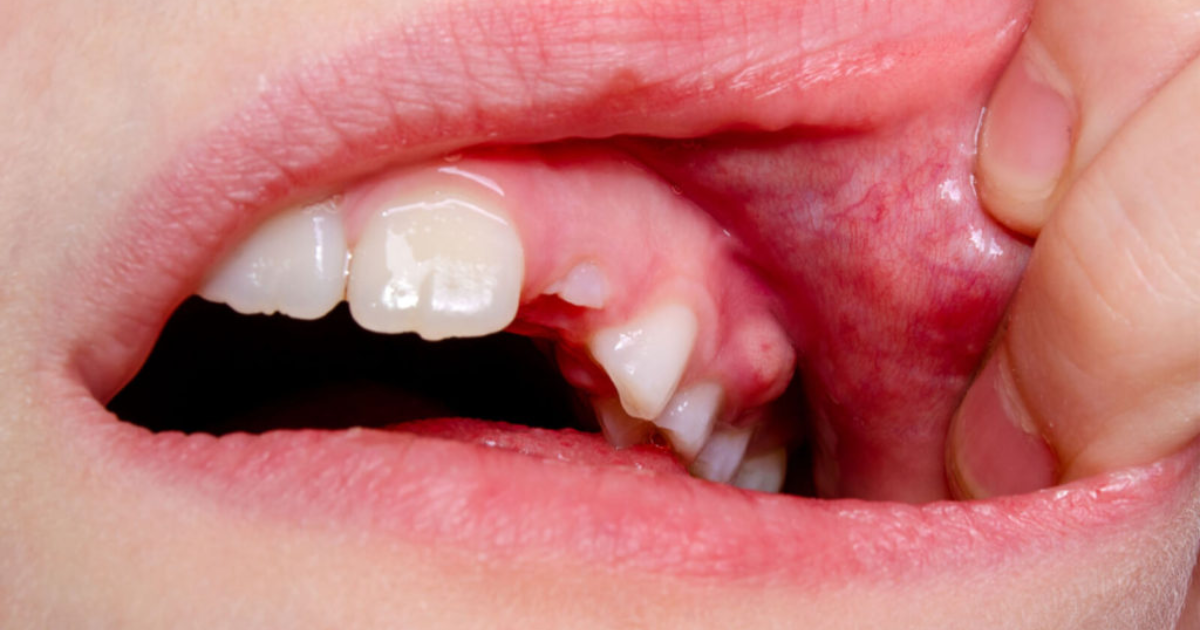
A tooth infection usually starts when bacteria enter the tooth through decay, a cracked tooth, gum disease, or untreated dental trauma. Once bacteria reach the pulp or surrounding tissues, pus can build up and create an abscess. Cleveland Clinic describes a tooth abscess as a pocket of pus from bacterial infection that can spread to nearby bone and neighboring teeth.
The danger starts when the infection escapes the tooth area. It can move into the jawbone, soft tissues of the face, deep neck spaces, or bloodstream. If it reaches the bloodstream, sepsis becomes possible. The CDC defines sepsis as the body’s extreme response to infection and calls it a life-threatening medical emergency. That is why waiting is a bad strategy.
Signs a Tooth Infection Is Spreading
The most obvious symptoms include severe toothache, swelling, gum tenderness, pain when chewing, sensitivity to hot or cold, bad taste, fever, and swollen glands. MedlinePlus lists jaw swelling as a very serious symptom in a tooth abscess. If swelling is spreading instead of staying around one tooth, the infection may already be moving beyond a simple dental problem.
Red flags include facial swelling, swelling under the jaw, fever, chills, rapid heartbeat, trouble opening your mouth, difficulty swallowing, confusion, shortness of breath, or feeling extremely weak. The CDC lists confusion, clammy skin, fever or chills, extreme pain, high heart rate, weak pulse, and shortness of breath as possible sepsis symptoms. These signs need emergency medical care, not home remedies.
When to Go to the ER for a Tooth Infection
Go to the ER immediately if you have trouble breathing, trouble swallowing, swelling near your eye, swelling under your jaw, confusion, high fever, or rapidly worsening facial swelling. NHS guidance says emergency care is needed when a dental abscess causes difficulty breathing, speaking, or swallowing, or if there is painful eye swelling or sudden vision problems. Do not try to “sleep it off.”
This is where the search phrase how long until a tooth infection kills you becomes dangerous if misunderstood. A person may assume they have several days, but severe infections can worsen fast once the airway, bloodstream, or deep neck tissues are involved. If symptoms are systemic or swelling is spreading, the timeline is no longer predictable. The correct move is urgent care now.
How Dentists Treat a Tooth Infection
Dentists treat the source of the infection, not just the pain. Treatment may include draining the abscess, performing a root canal, extracting the tooth, or prescribing antibiotics when the infection has spread or the patient has higher risk. Mayo Clinic notes that if the infection is limited to the abscessed area, antibiotics may not be needed, but they may be used when infection spreads nearby.
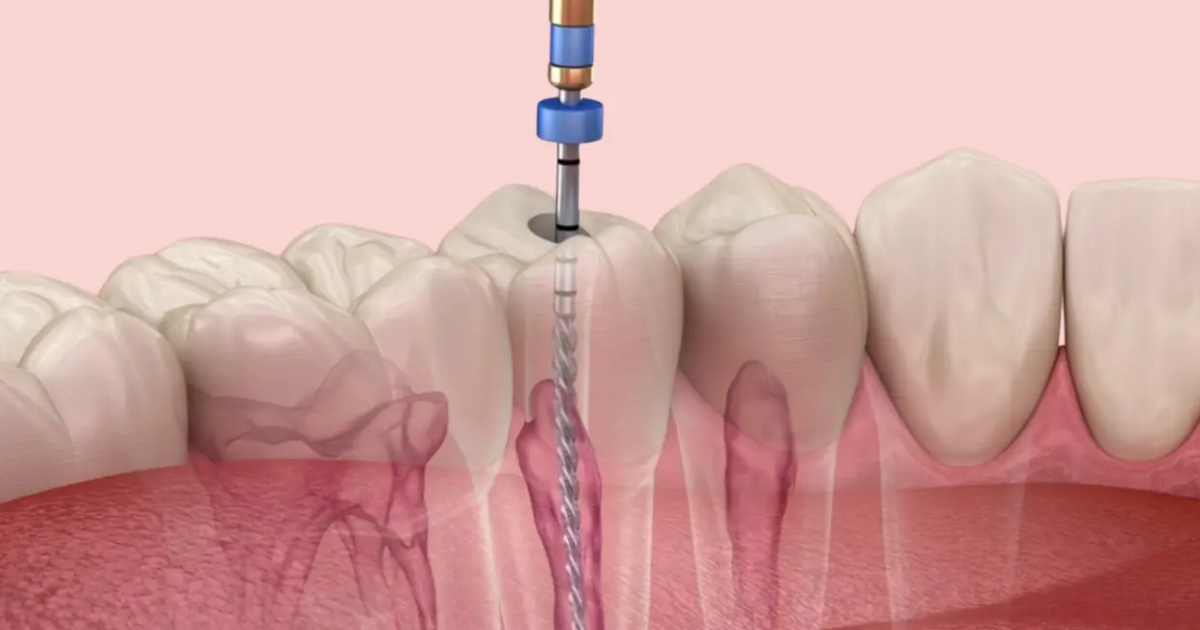
A root canal is often used when the tooth can be saved. The American Association of Endodontists explains that abscess treatment may involve removing bacteria from the tooth’s canals, cleaning and shaping them, sealing the space, and later restoring the tooth with a crown or similar restoration. Antibiotics alone often do not solve the source if pus or infected tissue remains.
How to Prevent a Tooth Infection From Becoming Life-Threatening
The simplest prevention is boring but effective: treat cavities early, do not ignore tooth pain, keep routine dental visits, brush twice daily, floss, and deal with cracked teeth before bacteria reach the pulp. Tooth decay can lead to infection and tooth loss when untreated, according to Mayo Clinic. Delaying care because the pain comes and goes is a common mistake.
If you are searching how long until a tooth infection kills you because you already have swelling or fever, stop treating this like a normal toothache. Call a dentist immediately, visit urgent dental care, or go to the ER if symptoms are severe. Painkillers, saltwater rinses, garlic, or leftover antibiotics are not reliable solutions. They may reduce symptoms while the infection keeps spreading underneath.
Conclusion
So, how long until a tooth infection kills you? There is no safe countdown. It could remain localized for a period of time, or it could become dangerous quickly if it spreads to the face, neck, airway, or bloodstream. Any article claiming an exact number is oversimplifying a serious medical risk. The honest answer is that untreated dental infections can become life-threatening, and timing varies.
The practical answer is clearer: tooth pain with swelling, fever, jaw swelling, difficulty swallowing, breathing problems, confusion, or rapidly worsening symptoms needs urgent care. A dentist can usually treat an abscess with drainage, root canal therapy, extraction, and antibiotics when appropriate. Waiting for a tooth infection to “declare itself” is reckless. Treat it early, and the odds are strongly in your favor.
FAQs
How long until a tooth infection kills you if you take antibiotics?
Antibiotics may help control spreading bacteria, but they do not always remove the source of infection. If an abscess needs drainage, root canal therapy, or extraction, symptoms may return after antibiotics stop. You still need dental treatment to address the infected tooth or gum tissue properly.
Can a tooth infection spread without pain?
Yes, pain can decrease if an abscess drains, but that does not mean the infection is gone. Mayo Clinic specifically warns that a ruptured abscess may make pain improve while treatment is still necessary. This is why swelling, fever, bad taste, or drainage should still be taken seriously.
What does tooth infection sepsis feel like?
Possible warning signs include fever, chills, extreme discomfort, confusion, sweaty or clammy skin, shortness of breath, fast heart rate, or a weak pulse. The CDC identifies these as possible sepsis symptoms and describes sepsis as a medical emergency. If these symptoms appear with a dental infection, go to the ER.
Can a tooth infection kill you overnight?
It is uncommon, but severe spreading infections can become dangerous quickly, especially if swelling affects breathing or the infection triggers sepsis. The point is not to guess whether you have hours or days. If you have airway symptoms, spreading swelling, fever, or confusion, emergency care is the only logical choice.
What is the safest thing to do if I have a dental abscess?
Contact a dentist urgently and explain your symptoms clearly. If you have facial swelling, jaw swelling, fever, trouble swallowing, trouble breathing, or eye swelling, go to urgent care or the ER. A dental abscess needs professional treatment; ignoring it because the pain is tolerable is a bad gamble.